647-825-4243 Tax.Nehal@gmail.com
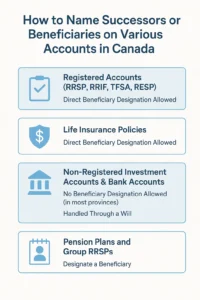
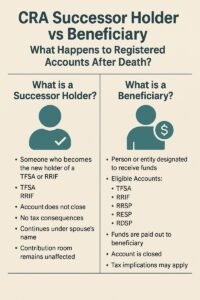
Canadian estate planning infographic showing how to name beneficiaries or successors for RRSP, TFSA, RRIF, RESP, life insurance, and other accounts

How to Name Successors or Beneficiaries on Various Accounts in Canada

Navigating the complexities of naming successors or beneficiaries on your accounts in Canada can be a daunting task. Whether you're planning for the future or ensuring your loved ones are taken care of, understanding the nuances of this process is crucial. From bank accounts to investment portfolios, each type of account has its own rules and implications. In this guide, we’ll break down the essential steps and considerations to help you make informed decisions. Discover how to protect your assets and provide peace of mind for yourself and your family. Read on to learn more!
Infographic explaining Personal Services Business (PSB) in Canada, showing a professional in business attire alongside icons representing government taxation, a checklist, a pie chart, and financial planning elements. The design highlights PSB rules, tax rates, and business structure considerations.

What Is a Personal Services Business in Canada? Tax Rates, Rules & Strategies

Are you curious about how personal services businesses operate in Canada? Understanding the intricacies of tax rates, rules, and strategies can significantly impact your financial success. Whether you're a freelancer, consultant, or contractor, navigating the landscape of personal services can be challenging yet rewarding. Discover the essential guidelines that govern these businesses, learn how to optimize your tax situation, and explore effective strategies to enhance your profitability. Join us as we delve into the world of personal services businesses in Canada and equip yourself with the knowledge to thrive in this dynamic environment!

Infographic titled 'RRSP Withdrawal Strategies' showing four illustrated icons with labels: a calculator for 'Low-Income Years,' a bar graph for 'Offsetting Capital Gains,' a house with a dollar sign for 'Home Buyers' Plan,' and a graduation cap for 'Lifelong Learning Plan.' The design uses bold text and a blue, orange, and green color scheme.

RRSP Withdrawals: Smart Strategies to Minimize Taxes and Maximize Gains

Registered Retirement Savings Plans (RRSPs) are one of the most powerful tax tools available to Canadians. But most people only...

Financial documents, calculator, and keys on a wooden table with a hand pointing to a paper labeled 'Loss Carry Back,' representing corporate tax refund strategy and CRA compliance.

How Loss Carry-Back Can Save Your Corporation Thousands: A CRA Strategy You Shouldn’t Ignore

Are you aware that your corporation could potentially save thousands of dollars in taxes? The Loss Carry-Back strategy, endorsed by the Canada Revenue Agency (CRA), is a powerful tool that allows businesses to offset current profits with previous losses. This means you can reclaim taxes paid in prior years, providing a much-needed financial boost. In this article, we’ll explore how this strategy works, the eligibility criteria, and the steps you need to take to maximize your savings. Don’t let this opportunity slip away—discover how to leverage Loss Carry-Back to enhance your corporation’s financial health today!

Engaged couple holding hands while reviewing financial documents, calculator, and house keys on a table, symbolizing pre-marriage financial planning.

Pre-Nup Financial Talks: What Couples Must Discuss Before Saying “I Do”

Engaged couples discussing their financial future—covering student loans, taxes, mortgages, and the importance of involving a professional accountant before marriage.

Canada’s July 1, 2025 Tax Cut: From 15% to 14% — What You Need to Know

Canada’s July 1, 2025 Tax Cut: From 15% to 14% — What It Means for You and Your Business

As Canada prepares to implement a significant tax cut on July 1, 2025, the reduction from 15% to 14% is set to impact individuals and businesses alike. This change not only promises to lighten the financial burden for taxpayers but also opens up new opportunities for growth and investment. Curious about how this tax cut could affect your wallet or your business strategy? Join us as we delve into the implications of this shift, explore potential benefits, and provide insights on how to navigate the new landscape. Don’t miss out on what this means for your financial future!

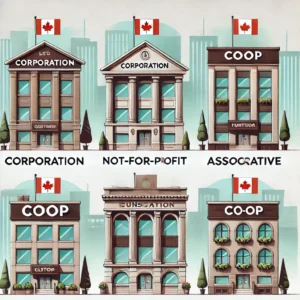
Illustration of Canadian business types—corporation, not-for-profit, and cooperative—with required legal suffixes like Ltd., Inc., Foundation, and Co-op

Guide to Legal Elements for Business Incorporation in Canada: Corporations, Not-for-Profits, and Cooperatives

Incorporating a business in Canada is a crucial step that goes beyond mere registration; it’s about defining your organization’s identity and purpose. Whether you’re establishing a business corporation, a not-for-profit, or a cooperative, understanding the mandatory legal elements is essential. These suffixes not only convey your entity's legal status but also enhance your credibility with stakeholders. This guide will help you navigate the complexities of naming your organization, ensuring compliance while aligning with your mission and branding goals. Discover the right terms to elevate your business and make a lasting impression in the marketplace!

Flowchart of income flow between an operating corporation, holding Incorporation, and shareholders for tax savings

Tax Savings with a Holding and Operating Incorporation Structure

Incorporating your business can unlock a treasure trove of tax benefits, especially for partners looking to lighten their personal tax load. By establishing both a holding corporation and an operating corporation, you can strategically manage income distribution, minimize personal tax liabilities, and enjoy valuable tax-deferral advantages. Imagine being able to control when and how you are taxed on your earnings! This innovative structure not only protects your assets but also offers flexibility in financial management. Dive into the world of tax-efficient strategies and discover how you can maximize your savings while securing your business's future.

#CanadianIncorporation #CorporateGovernance #DirectorsDuties #ShareholdersRights #CanadaBusinessLaw #CorporateCompliance #FiduciaryResponsibility #IncorporationCanada #BusinessOwnership #CanadianCorporations

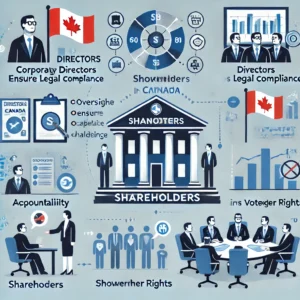
Duties of Directors and Shareholders in Canadian Incorporation

Incorporating a business in Canada involves navigating a complex landscape of roles and responsibilities for directors and shareholders. Understanding these key duties is crucial for ensuring compliance and fostering effective governance. Directors are tasked with strategic oversight and financial health, while shareholders wield significant influence through their voting rights and investment expectations. This article delves into the essential responsibilities of both parties, highlighting the importance of collaboration for corporate success. Discover how effective governance can enhance your corporation's growth potential and stability in the competitive Canadian market. Read on to learn more about these vital roles!